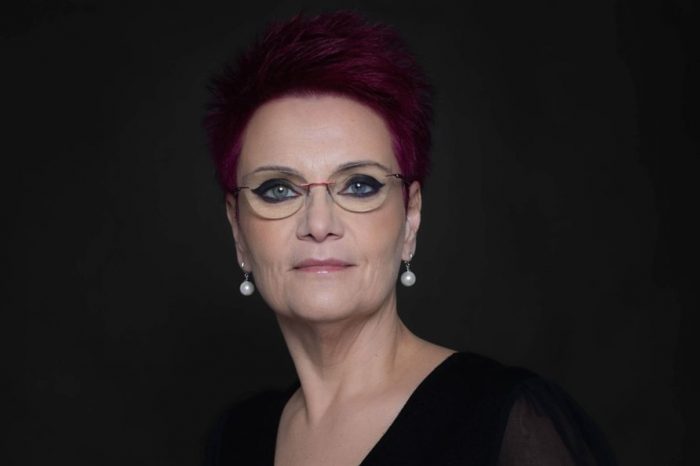
Carmen Micu, CEO Envisia – Business School: The role of specialized education in the professionalization of boards of directors, in the current economic context and the process of Romania’s accession to the OECD
 Magda Purice
Posted On July 10, 2025
Magda Purice
Posted On July 10, 2025

Romania is at a crucial crossroads in its economic and institutional development. As we align with OECD standards and seek to enhance our position in the global economy, professionalizing boards of directors is no longer optional—it is imperative.
In Romania, too many boards still function as ceremonial structures—lacking independence, competence, and vision. And professionalization is the gateway to better governance. It ensures that decisions are made by people who understand risk, strategy, and stakeholder value—not by those appointed through political compromise or legacy arrangements.
Without professional boards, we cannot talk about real leadership, accountability, or strategic direction. And, in the end, we cannot talk about a developed and prosperous society.If Romania wants to thrive in the OECD framework and build a resilient economy, our boards must evolve from symbolic to strategic. That means merit-based appointments, continuous education, and a deep shift in governance culture. It’s not just a checkbox—it’s a competitive advantage.
What does corporate governance “that creates value” mean and how does it translate into company performance?
“Governance that creates value” means moving beyond compliance, it’s not just about protecting shareholder interests. It’s about boards that think strategically, in a visionary manner, anticipate risks, ask the tough questions, and drive long-term results—not just sign off on reports. Boards that understand their role in steering organizations towards sustainability, innovation, and social responsibility. In short, shaping a better future for us all.
It’s the difference between a passive board and a performance-driven board. When governance is done right, it accelerates growth, boosts investor confidence, and strengthens resilience in times of crisis.
Value-creating governance drives performance, yes—but more importantly, it builds trust, long-term impact, and resilience. It ensures that leadership decisions are aligned with the public good, that risks are responsibly managed, and that strategies go beyond short-term profit to create real, lasting value for communities, economies, and generations to come.
This is the kind of governance Romania needs in its journey toward OECD integration—a governance culture rooted in purpose, integrity, and strategic foresight. And this is the kind of governance we foster through our programs and our community of leaders.
What is new about this accredited program and what are the concrete benefits for leaders in the private and public sectors?
The “Corporate Governance that Creates Value” program is a landmark in Romania’s education ecosystem: it is the first postgraduate board education program officially accredited by the Ministry of Education and Research, in a strategic partnership with the Romanian-American University.
What sets it apart is its combination of academic rigor, practical relevance, and alignment with international governance standards. Designed in partnership with the Bucharest Stock Exchange more than four years ago, the program is tailored for both public and private sector leaders—board members, executives, policy-makers, entrepreneurs—who need to navigate complex decision-making in volatile environments. Participants benefit from a comprehensive curriculum that integrates governance principles, ESG, financial oversight, strategic thinking, and leadership ethics.
The real advantage is in its transformative impact: it equips leaders with the mindset and tools to build resilient, transparent, and future-oriented organizations.
It’s not just a program—it’s a strategic investment in Romania’s capacity to lead responsibly, attract trust, and align with OECD and EU expectations.
How does this initiative align with OECD requirements in the context of Romania’s accession?
Romania’s OECD accession is more than a political milestone—it is a strategic transformation that demands concrete reforms, particularly in the area of corporate governance. The OECD does not merely recommend governance structures—it requires transparency, strategic competence, board independence, diversity, and professional decision-making.
Our accredited programs directly support these imperatives. They prepare board members to understand and apply OECD standards, not just formally, but in spirit—developing boards and leaders that are capable of driving long-term value, anticipating systemic risks, and operating with integrity.
By equipping public and private sector leaders with the skills and frameworks to meet OECD benchmarks, our programs contribute to building a governance culture that is accountable, effective, and future-ready. This alignment is not coincidental—it’s intentional. Education is the foundation of Romania’s credibility as a mature economy and a reliable international partner.
Also, would this type of program answer the European Commission requirements for state owned companies boards of directors in the PNRR projects context (National Recovery and Resilience Plan (NRRP).
Yes. Envisia’s programs are built on both international and local best practices, and they align with the European Commission’s expectations for governance reform in state-owned enterprises under the NRRP framework. Key requirements—such as board independence, competence, transparency, and value-oriented leadership—are directly embedded in the structure and content of our curricula.
Both the nationally accredited “Corporate Governance that Creates Value” and the internationally accredited Henley program emphasize professionalization, ethics, financial oversight, strategic thinking, and conflict-of-interest management—core elements in the EC’s reform agenda.
Moreover, Envisia offers flexible formats tailored to the needs of institutions engaged in NRRP projects that include governance-related education components. Organizations can either attend our open programs or request customized learning journeys built around their specific challenges, sector realities, and development goals. Backed by a network of experienced facilitators and strategic partnerships, Envisia can co-design modules that reflect the real governance dilemmas faced by SOEs—from regulatory compliance and performance monitoring to political neutrality and stakeholder alignment. Whether through in-depth training or advisory support, our goal remains the same: to build capable, future-ready boards that lead with integrity, resilience, and long-term vision.
What role do executive education and international certifications play in attracting investment and strengthening trust in the business environment?
Executive education and internationally recognized certifications are strategic drivers for building trust and long-term credibility in any market. Investors—both institutional and private—look beyond financials. They assess governance quality, board expertise, transparency, and the ability to manage risk and innovation. A board composed of certified professionals, trained in accordance with global standards, sends a powerful message: this organization is serious about accountability, resilience, and sustainable growth.
When board members hold certifications from programs aligned with institutions like Henley Business School or accredited by national authorities, it demonstrates a commitment to excellence and continuous learning. These are markers of a mature, investable ecosystem.
In Romania’s case, strengthening governance through high-level education is not just about reputation—it’s about economic performance. As we integrate further into the OECD framework, this type of capacity building becomes essential to signal readiness, attract responsible capital, and create a climate of long-term trust.
What is the difference between the two main programs launched by Envisia – Henley Postgraduate School for Board of Directors and Corporate Governance that Creates Value” program, developed in partnership with Bucharest Stock Exchange which recently received academic accreditation from Ministry of Education and Research through the partnership with the Romanian-American University?
Both programs are designed to raise the bar in governance education, but they serve different audiences and strategic needs.
The Henley Postgraduate Certificate in Board Practice and Directorship is an internationally recognized program, developed in partnership with Henley Business School – one of the world’s oldest and most respected institutions in executive education, holding a triple accreditation (AACSB, EQUIS, AMBA). It offers a global perspective and is tailored for experienced board members and senior leaders operating in complex, international environments. The program is rooted in academic rigor and global boardroom practices, and successful completion grants a triple-accredited postgraduate certificate—an elite distinction in board education. Over 180 board professionals in Romania have completed this elite certification through Envisia, many of them holding non-executive or supervisory roles in key sectors. We are now preparing to launch the 9th cohort , with applications open until September 5th. https://www.envisia.eu/en/courses/henley/detail/postgraduate-certificate,
On the other hand, the “Corporate Governance that Creates Value” program is a nationally accredited postgraduate course, due to our strategic joint venture with the Romanian-American University. Developed four years ago in partnership with the Bucharest Stock Exchange, it addresses both private and public sector professionals, including aspiring board members, executives, institutional stakeholders, and public governance actors. The program focuses on contextualized, practical learning—aligned with Romania’s current economic reality and governance maturity level. Its unique value lies in being the first academic program in Romania officially accredited for board professionalization, offering 6 ECTS credits and recognized by both the capital market and education authorities. So far, over 130 participants have graduated from the program; The 11th cohort will begin this fall, with applications accepted until October 13th. https://www.envisia.eu/en/courses/local_programs/detail/corporate-governance-value-10-series
Together, the two programs complement each other: one provides international breadth and prestige; the other ensures national relevance and structural impact. Both are essential to developing the kind of board talent Romania needs—capable, responsible, and future-ready.
How aligned are Romania’s director-education programs with OECD corporate-governance benchmarks, and where are the remaining gaps?
Romania is still in the process of aligning fully with OECD corporate governance principles, but there are encouraging signs of progress—especially in the education and awareness space. Programs like “Corporate Governance that Creates Value” and the Henley Postgraduate Certificate in Board Practice and Directorship have been well received by Romanian professionals, with over 500 professionals and leaders participating in governance-focused courses delivered by Envisia.
These programs have helped shape a strong and growing community of governance professionals who understand the value of independence, accountability, transparency, and strategic oversight—all core principles outlined by the OECD. They also create space for peer learning and long-term commitment to governance excellence, which is essential.
Still, significant gaps remain. Many companies—particularly in the public sector—treat governance as a formality, rather than a strategic function. Structured onboarding, performance evaluations, and ongoing board education are not yet the norm. Additionally, concepts such as board independence and clear separation of roles are not consistently applied.
In this context, education plays a vital role—not just as a tool for compliance, but as a catalyst for shifting mindsets. The path to alignment with OECD standards depends as much on cultural and institutional change as it does on legal frameworks. Programs like the ones developed by Envisia contribute to this evolution by equipping board members with the knowledge, awareness, and professional ethics required to lead responsibly and create value.
What role do specialist governance programs play in supporting Romania’s OECD accession process, and what are their expected long-term benefits?
Specialized governance programs play a strategic role in supporting Romania’s OECD accession, acting as an essential bridge between policy commitments and real, measurable implementation at board level. The OECD does not simply require structures on paper—it expects functionality, transparency, independence, and diversity. These are principles that only come to life when the people sitting at the boardroom table are equipped to act with integrity, competence, and foresight.
Our programs—developed with internationally recognized partners such as Henley Business School, Bucharest Stock Exchange and the Romanian-American University—are designed precisely for this purpose. They help prepare board members, both in the public and private sectors, to meet OECD expectations not just formally, but in practice.
Long-term, these initiatives will contribute to building a governance culture rooted in responsibility, strategic thinking, and continuous learning. They empower leaders to manage risks, drive sustainability, and align company performance with broader societal and economic goals. This kind of professionalization doesn’t just benefit individual companies—it strengthens the credibility and attractiveness of Romania as a whole.
In other words, education is the silent infrastructure of OECD readiness. Without it, alignment remains theoretical. With it, we can build boards that truly create value—for organizations, for citizens, and for the country’s future.
How are these programs tailored to address the complexities of both private-sector boards and mixed public-private governance structures in Romania?
Our programs are designed with the full complexity of Romania’s governance ecosystem in mind—covering both private-sector realities and the specific nuances of public and mixed-ownership enterprises.
For private-sector boards, the emphasis is on strategic agility, innovation, ESG integration, and aligning governance with long-term value creation. We focus on helping board members move beyond compliance to become active stewards of sustainable business growth.
When it comes to state-owned or mixed-ownership structures, the challenges are different—but no less critical. These boards must balance commercial goals with public interest mandates, operate under political and regulatory scrutiny, and respond to OECD and EU expectations for transparency, merit-based appointments, and performance monitoring.
Our approach reflects this duality. The “Corporate Governance that Creates Value” program—accredited through our partnership with the Romanian-American University—includes specific modules on public-sector governance, regulatory frameworks, and the role of the state as a majority shareholder. Meanwhile, the Henley Postgraduate Certificate in Board Practice and Directorship offers an internationally validated perspective, helping board members understand governance challenges across borders and ownership models.
In both cases, the programs integrate real case studies, peer learning, and applied tools to prepare participants for the governance dilemmas they actually face—whether in a multinational, a family business, or a public utility.
What mechanisms are in place to ensure continuous professional development for board members following their initial course certification?
At Envisia, we believe that board education must be a lifelong journey. Certification is not the finish line—it’s the starting point for continuous development in a fast-evolving governance landscape.
To support this, we’ve built a robust ecosystem of ongoing learning and peer exchange. Our alumni automatically become part of the Envisia Boards of Elite community—over 500 professionals, including more than 180 internationally certified board members—which functions as a real-time governance core. Through this network, members engage in regular case study debates, roundtable sessions, and fireside conversations with top global experts.
In addition, we provide access to the annual Future of Governance Conference and Future of Boards Gala, invitations to masterclasses with thought leaders in corporate governance but other industries as well. Beyond this, Envisia fosters an active peer-learning community through alumni networking events. Board professionals who complete our programs are invited to join this community, where they benefit from continuous development through curated content, expert-led debates, and collaborative knowledge exchange.
I would add one of our flagship initiatives is the Academia de Guvernanță, a public-facing platform. This initiative brings together thought leaders from the private sector, public institutions, international organizations, and academia to openly discuss governance challenges, share case studies, and elevate the national conversation around strategic leadership and board effectiveness.
Our mission goes beyond formal training—we aim to cultivate the reflexes, confidence, and foresight that high-performing board members need to lead with integrity, courage, and vision.