Allianz-Țiriac: Gen Z feels anxiety and uncertainty when thinking about the future. The lack of control and fear of risks amplify young people’s stress
 Magda Purice
Posted On November 21, 2025
Magda Purice
Posted On November 21, 2025

Generation Z lives with a high level of stress and anxiety, caused mainly by uncertainty about the future and the lack of control over unpredictable events. More than 75% say they experience stress and anxiety at least a few times a week, and for almost 3 in 10 these states are accompanied by physical symptoms such as headaches, heart palpitations or sleep problems, according to the latest online survey conducted by Allianz-Țiriac Insurance among 1,102 respondents, on stress and anxiety in Generation Z.
The biggest concerns are driven by the high cost of living (79.3%) and by the inability to save money for unexpected expenses and for a better long-term financial situation (48.2%). When thinking about their future, 6 in 10 respondents say they feel uncertainty and anxiety, with worries fueled by their personal financial situation (48.8%), future financial prospects (37.9%), social pressure (36.2%), as well as their health or their family’s health (31%). At the opposite end, only 17.2% of Gen Z look to the future with optimism, and just 1 in 10 feels secure and at ease when it comes to their personal prospects.
The young generations learn to manage stress, but don’t secure solutions
More than 43% of Gen Z respondents understand that they cannot control what the future holds, so they focus on managing stress and anxiety. Most choose to work on their emotional balance, either by spending time with family and friends (58.6%), through relaxation activities (39.6%), or sports (37.9%), the Allianz-Țiriac survey shows. On the other hand, almost 4 in 10 fear that something unexpected could happen at any time and worry that they don’t have a concrete solution to rely on, such as money saved or an insurance policy to cover the risk and expenses.
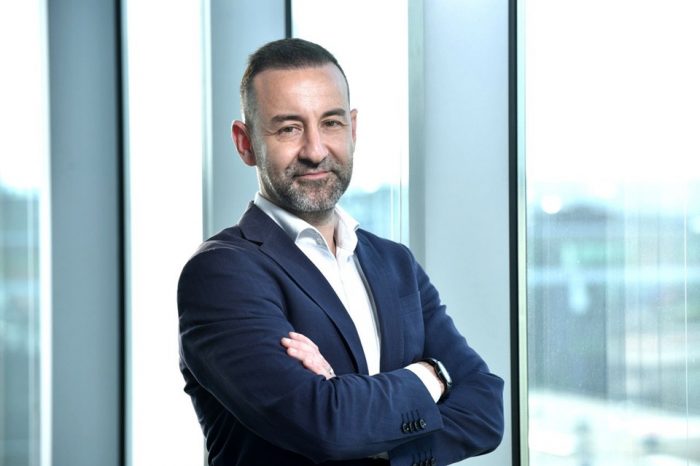
“Gen Z is not a fragile generation, but a lucid one. They feel more, see more, and experience all the changes around them more intensely. This is a generation that has learned to live in a volatile economy, but has not yet learned how to protect itself. That’s why their anxiety is not a weakness, but a warning sign that the need for safety can no longer be postponed for ‘later’. In a world where everything changes from month to month, protection before saving becomes an early act of maturity. Getting life insurance when you’re young doesn’t mean you’re preparing for the worst, it means you take seriously the freedom to live without fear”. says Virgil Șoncutean, CEO at Allianz-Țiriac Asigurări.
Many Gen Z are aware of their protection needs and have seen, including through personal experiences, the financial impact that a health issue affecting them or a family member (43%), a significant unplanned expense (34.5%), a temporary loss of income (15.5%), or an accident or emergency surgery (12%) can have.
More than 8 in 10 believe they would need at most 40,000 lei in such a situation, another 12% think the amount would be up to 200,000 lei, and only 5% estimate the need above this threshold, according to the Allianz-Țiriac survey. In the absence of these resources, in the past year only 29.3% have tried to save money, while just under 2% purchased an insurance policy for greater financial peace of mind and, as a result, less stress. A risk doesn’t wait, and saving takes time – even with 400 lei saved monthly, a young person would need at least 8 years to accumulate 40,000 lei. In contrast, a policy like My Protect, which can be purchased 100% online, offers immediate access to such an amount covered in case of an accident for just 88 lei per year, the equivalent of 7 lei per month.
Influenced by fears, artificial intelligence remains a cold confidant for young people’s real anxieties
In their efforts to manage stress, only 8% of respondents in the Allianz-Țiriac survey say they talk about their anxieties with an AI for a different perspective, while another 34% have tried it but remain cautious due to the lack of emotional intelligence and human judgment, especially since international studies show that AI can be influenced in the reactions and advice it provides. Thus, young people remain hesitant to seek emotional support from artificial intelligence, using it mainly when looking for information about solutions that offer greater financial security. In contrast, 27.6% prefer to talk about their emotions with family or friends, and almost 19% say they do not trust AI in discussions about personal issues.
The Allianz-Țiriac survey was conducted in October 2025, nationwide, on a total sample of 1,102 internet users in Romania. Approximately 51% of respondents are men, 85% live in urban areas, and more than 58% have monthly incomes above 4,000 lei.
About Allianz-Țiriac Asigurări
Allianz-Țiriac is part of the German Allianz Group, one of the world’s largest financial services and insurance providers and the most valuable insurance brand globally, according to the latest Interbrand ranking. Over its 30 years of activity, Allianz-Tiriac has contributed €20 billion to the Romanian economy. Its total economic impact is equivalent to 0.6% of Romania’s GDP over the analyzed period, an amount that could translate into up to 80 modern hospitals, 2,000 new schools, 2,000 kilometers of highway, or 130,000 social housing units.