Aon Romania at 20: Artificial Intelligence Is Transforming the Labor Market, but Competitive Advantage Still Depends on People’s Skills
 Magda Purice
Posted On July 8, 2026
Magda Purice
Posted On July 8, 2026
Aon Romania, part of Aon plc, the global professional services firm specializing in risk, human capital, and health solutions, marks 20 years of operations in the local market at a time when organizations across Romania and the wider region are rethinking their relationship with people, technology, and performance.
According to the Aon Human Capital Trends 2026 study, artificial intelligence has rapidly evolved from experimentation to implementation, with 73% of organizations reporting that they have already deployed or are piloting AI solutions. At the same time, only 18% say that most of their employees have participated in AI-related reskilling or upskilling programs over the past 12 months, highlighting a significant gap between the pace of technological transformation and workforce readiness for the new world of work.
After two decades in Romania, Aon has observed a profound shift in how organizations view human capital. Whereas the HR agenda in 2005 focused primarily on administration, recruitment, and cost control, today it is defined by digital transformation, skills development, leadership, transparency, and workforce risk management. Employees are no longer seen merely as an operational resource but as one of an organization’s most important competitive advantages.
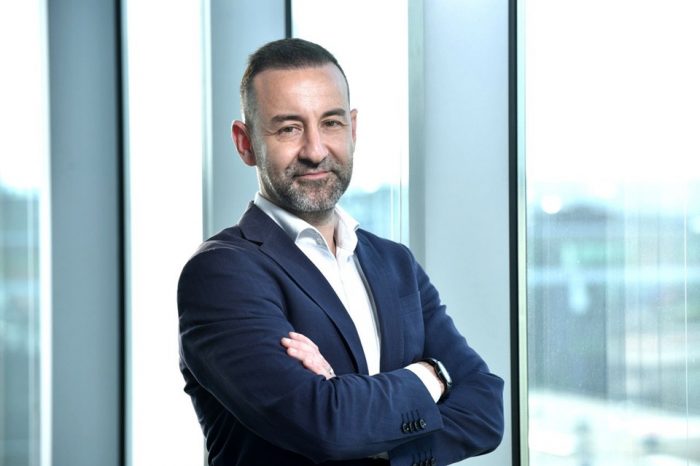
“Over the past 20 years, we have moved from thinking in terms of ‘personnel costs’ to investing in human capital. Employees are no longer just another line item in a cost spreadsheet—they are the primary source of competitive differentiation. HR is no longer a support function but a central player in shaping and executing business strategy,” said Adrian Löw-Vesa, Head of Human Capital, Romania & CEE at Aon.
The findings of the Human Capital Trends 2026 study reinforce this shift. Globally, 44% of organizations have already implemented AI-based solutions, while another 29% are currently piloting them. In addition, 81% use AI to improve operational efficiency, and 80% leverage it to automate repetitive tasks. However, only 35% report that developing employees’ skills is one of the primary objectives of their AI implementation strategy.
“We are seeing the same trend in Romania. More and more organizations are integrating artificial intelligence into their internal processes, developing AI-powered tools, or testing new ways of working. However, technology creates value only when people are prepared to use it. The biggest challenge is not implementing AI, but developing the skills needed to work effectively alongside this technology,” added Adrian Löw-Vesa.
The distinction between organizations that use artificial intelligence solely to improve efficiency and those that integrate it strategically is becoming increasingly evident. The former focus on reducing processing times, optimizing costs, and automating existing processes. The latter use AI to redesign roles, processes, team collaboration, and talent development, turning technology into a long-term competitive advantage.
“Organizations that use AI only for efficiency are optimizing the present. Those that use it strategically are redesigning roles, collaboration models, and career paths. The difference is that the former improve what already exists, while the latter are building the competitive advantage of the future,” explained Adrian Löw-Vesa.
The study shows that over the next three years, the most critical capabilities for organizational success will be adaptability and change management, leadership and team management, as well as digital literacy and the adoption of new technologies. This trend confirms that the labor market is moving away from static expertise and placing greater emphasis on people’s ability to continuously learn and adapt in an environment of constant change.
In Romania, this evolution reflects the rapid transformations of the past two decades. EU accession, the expansion of the technology and services sectors, the pandemic, the rise of hybrid work, and digitalization have fundamentally reshaped both how companies operate and what employees expect from employers. While job security and stability were the primary criteria for choosing an employer 20 years ago, today’s candidates seek opportunities for professional development, flexibility, authentic leadership, and organizations capable of keeping pace with technological change.
“Over the past 20 years, Romania’s labor market has become significantly more mature and competitive. Today, organizations compete not only through salaries but also through the development opportunities they provide and their ability to prepare people for the future of work. As AI adoption accelerates, investment in skills is becoming one of the most important differentiators for any employer,” emphasized Adrian Löw-Vesa.
As it celebrates two decades of operations in Romania, Aon reaffirms its commitment to helping organizations navigate the transformations shaping the future of work. Its experience in both the local and international markets confirms that while technology can accelerate performance, competitive advantage will continue to be determined by the people who know how to use it—and by the organizations that consistently invest in their development.
About Aon Romania
Aon Romania is part of Aon plc, a global leader in risk management, insurance and reinsurance brokerage, health, and employee benefits solutions. Combining local expertise with access to global resources, the company helps organizations make better decisions to protect and grow their businesses