Pendl & Piswanger InterSearch: What is the profile of today’s CEO?
 Magda Purice
Posted On November 24, 2025
Magda Purice
Posted On November 24, 2025

• Companies are looking for leaders who can manage complexity – a combination of lucidity, empathy and adaptability in an unpredictable world
• Leaders of the future: architects of culture, strategy and trust
• Executive search moves from selection to strategy
According to Pendl & Piswanger InterSearch Romania, one of the leading providers of executive search, leadership advisory and interim management services, companies are radically changing the way they define the “right leader”, in the context in which the pressures of economic, geopolitical and technological uncertainty increasingly intersect.
The conclusions of the InterSearch Global Board Survey 2025 – Coping with Discomfort show that, internationally, the classic CEO profile – focused exclusively on results and technical expertise – is being replaced by a new generation of leaders who build resilience, organizational culture and trust.
Thus, the study data shows that, if in the past a leader’s skills were measured in business figures, today they translate into the ability to manage complexity. 77% of global boards consider geopolitics to be the main factor impacting decisions, and 65% indicate artificial intelligence as the second major theme on the strategic agenda. In this context, the high-performing leader is no longer the one who controls, but the one who adapts: decisions are not made solely based on experience, but on lucidity, balance and the ability to maintain strategic direction.
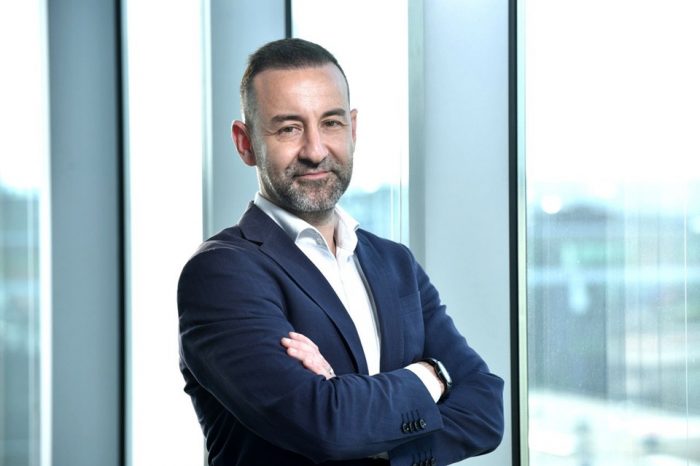
“Technology brings speed, but not necessarily discernment. In executive search, the real value is not finding an impeccable CV, but a leader who understands the context, the culture and can transform pressure into strategic direction. These aspects are required by our clients today: not just good candidates, but people who can inspire calm and clarity in an environment full of uncertainties”, says Ana Ber, Managing Partner, Pendl & Piswanger InterSearch Romania.
The transformation is also visible in the dynamics of the executive search market. Projects are no longer following the same path. Cross-border mandates are multiplying, roles are becoming multidisciplinary (AI governance, cyber, sustainability, digital transformation), and selection is expanding beyond the traditional boundaries of the C-level. In parallel, 70% of boards have introduced regular competency assessments and 46% work with specialized executive search firms to identify the right members — a clear signal that top recruitment is becoming a continuous process, based on data, not intuition.
The same need for adaptability is also seen in succession management. Only 30% of global boards have functional succession plans for the CEO and executive team, and 38% say that the current structure of top management no longer fully meets the requirements. In the absence of clear planning, companies are increasingly turning to interim solutions — a growing segment in Romania, where Pendl & Piswanger InterSearch manages not only top recruitment but also transitions in verticals such as industry, automotive, energy, manufacturing, construction or services.
“Succession is no longer a moment, but a continuous process. Companies that treat their leadership as a living system are the ones that endure. And this also redefines our role as executive search partners: from identification to strategic accompaniment,” adds Ana Ber.
Behind these changes, the profile of the effective leader is becoming more nuanced. InterSearch captures the advance of “meta-skills” — the ability to continuously learn, self-awareness, strategic empathy and goal orientation — along with the diversification of boards: women today represent 32% of board members (up from the previous year), but 22% of boards still have no women, and 29% include international members, a sign that the pressure for complementary skills remains high. Currently, 68% of boards consider all these meta-skills more important than previous performance or academic background.
At the same time, a third of boards would immediately change the composition of their competencies, and almost half would replace one or more directors, which confirms the need for rapid alignment with new realities.
Romania follows the same trend: companies in industry, energy, manufacturing and services are looking for leaders capable of simultaneously managing digital transformation, sustainability regulations and performance pressure, focusing not only on numbers, but also on people, cultures and extremely dynamic changes.
“Tomorrow’s leaders will not necessarily have today’s titles, but they will have the courage and clarity to guide people through uncertainty. In a context dominated by pressure and change, the difference between a good executive and an authentic leader is measured in the way they manage ambiguity. Today’s CEO must be analytical and empathetic at the same time, decide quickly but lucidly, and keep the organization connected to meaning, not just numbers. Executive search thus becomes a direct investment in the culture and sustainability of a company,” concludes Ana Ber.
About Pendl & Piswanger InterSearch Romania
Pendl & Piswanger InterSearch Romania is part of the global InterSearch Worldwide network, with over 90 offices in 50+ countries. Founded in 2000, the company has completed over 2,000 executive search mandates, with a retention rate of over 85% at 3 years for placed candidates.
The portfolio includes projects for strategic verticals – energy, automotive, industrial manufacturing, pharma, construction, agribusiness and FMCG. The services offered cover executive search, interim management, leadership assessment and executive onboarding.
Pendl & Piswanger InterSearch Romania constantly collaborates with offices from the international network for cross-border projects and contributes to global initiatives such as the InterSearch Sustainability Practice, dedicated to integrating ESG principles into leadership.
Through local experience and global connections, the company is the trusted partner of organizations looking for not just the right leaders, but leaders with impact.